Canada Cuts Temporary Resident Intake by 43% in 2026: What Students, Workers, and Employers Need to Know
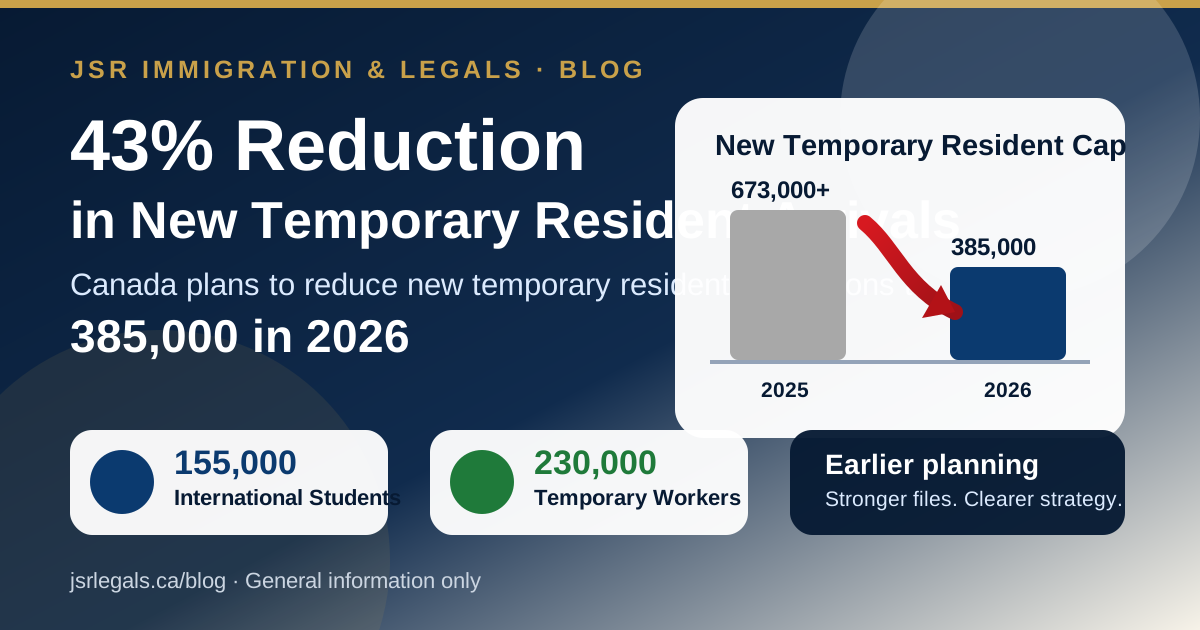
Canada is preparing for a major reduction in new temporary resident arrivals in 2026. The proposed intake level is 385,000 new temporary residents, down from more than 673,000 in 2025. That represents an approximate 43% reduction.
The stated objective is to bring temporary resident growth closer to Canada’s housing capacity, infrastructure limits, public services, and labour market planning. For applicants, schools, employers, and families, the practical message is simple: future temporary residence applications will likely require earlier planning, stronger documentation, and a clearer long-term strategy.
Canada is not closing temporary immigration. It is narrowing intake levels and prioritizing better alignment between temporary residence, labour needs, institutional capacity, and housing availability.
The 2026 Temporary Resident Intake Targets
The new temporary resident intake targets being discussed for 2026 include:
| Category | Proposed 2026 Intake |
|---|---|
| International students | 155,000 |
| Temporary foreign workers | 230,000 |
| Total new temporary residents | 385,000 |
The comparison is significant. Canada admitted more than 673,000 new temporary residents in 2025. A reduction to 385,000 means fewer available spaces across study permits, work permits, and other temporary resident streams.
Why Canada Is Reducing Temporary Resident Numbers
Canada’s temporary resident population has grown quickly over the last several years. That growth supported colleges and universities, helped employers fill labour gaps, and brought many skilled workers into the economy. It also placed pressure on housing, rental availability, healthcare, public transportation, settlement services, and community infrastructure.
The 2026 reduction is part of a broader policy shift. The federal government is moving toward a more controlled immigration framework where temporary resident levels are connected to housing supply, labour market demand, and regional capacity.
This does not mean that Canada no longer needs international students or temporary workers. It means selection pressure may increase, and weaker applications may face greater difficulty.
Impact on International Students
The proposed cap of 155,000 international students will likely create a more competitive study permit environment. Students may face stricter review of their academic plan, institution choice, financial evidence, and ties to their home country.
Students should expect greater scrutiny on whether the chosen program makes sense in light of their education, work history, language ability, and career goals. Generic study plans, weak financial records, unexplained gaps, or low-value program choices may carry higher refusal risk.
Prospective students should prepare early. A strong study permit file should clearly explain why the program is reasonable, how it connects to the applicant’s future plans, how the applicant can afford the studies, and why the applicant will comply with Canadian immigration law.
Impact on Temporary Foreign Workers
The proposed 230,000 temporary foreign worker intake target may affect employers that depend on international labour, including construction, agriculture, manufacturing, food processing, hospitality, healthcare, trucking, and skilled trades.
Employers may need to plan recruitment earlier and document genuine labour needs more carefully. Where possible, employers should also consider permanent residence pathways for existing foreign workers, including Express Entry, Provincial Nominee Programs, regional immigration programs, and employer-supported PR options.
For workers, the change increases the importance of maintaining valid status, avoiding unauthorized work, preserving proper employment records, and planning extensions or permanent residence well before expiry dates.
What This Means for Existing Temporary Residents
Existing temporary residents should not panic simply because Canada is reducing future intake levels. A cap on new arrivals does not automatically cancel valid study permits, work permits, or visitor records.
However, existing temporary residents should be careful about timing. Extensions, restorations, changes of status, and future applications may face a more selective environment. Anyone with an upcoming expiry date should review their options early and avoid last-minute filings.
Workers and students who may qualify for permanent residence should assess their profile now. In a reduced temporary resident environment, PR planning becomes more important, not less.
Housing and Infrastructure Considerations
One of the main policy reasons behind the reduction is housing pressure. A slower increase in temporary residents may reduce demand for rental units, student housing, and shared accommodation, particularly in high-growth cities.
Immigration is not the only factor affecting housing affordability. Interest rates, construction delays, zoning, investor activity, municipal infrastructure, and local labour markets also matter. Still, the federal government appears to be treating temporary resident levels as one part of a larger housing and population planning strategy.
Economic Opportunities and Risks
The reduction may help governments and communities plan services more effectively. It may also ease some housing and infrastructure pressures. At the same time, it creates real risks for employers, schools, and sectors that rely on international talent.
Colleges and universities may face lower international enrolment. Employers may experience recruitment delays or labour shortages. Some regions with genuine workforce needs may need stronger provincial and regional immigration strategies to remain competitive.
The practical result is that Canada will likely continue prioritizing applicants who can show strong labour market value, credible study or work plans, and a clear pathway that fits Canada’s economic needs.
Practical Advice for Future Applicants
Applicants should treat 2026 as a more competitive immigration environment. Strong files will matter more.
Study permit applicants should prepare detailed study plans, financial documentation, proof of academic progression, and clear evidence supporting their program choice. Work permit applicants should ensure their job offers, employer documents, and eligibility evidence are consistent and complete.
Employers should prepare labour planning earlier, preserve recruitment evidence where required, and consider whether a temporary work permit strategy should be paired with a permanent residence plan.
Applicants with refusals, gaps in status, unauthorized work concerns, weak documentation, or prior immigration history issues should address those issues directly. Silence usually creates more risk than controlled disclosure.
How JSR Immigration & Legals Can Help
JSR Immigration & Legals assists students, workers, employers, and families with Canadian immigration matters, including study permits, work permits, visitor visas, status extensions, restoration applications, permanent residence pathways, and immigration appeals.
If you are planning to study, work, hire, extend status, or transition to permanent residence, early strategy matters. A properly prepared application can reduce avoidable refusal risk and help you respond to Canada’s changing immigration framework.
Final Thoughts
Canada’s proposed 43% reduction in new temporary resident arrivals for 2026 marks a major shift in immigration planning. The proposed cap of 385,000 new temporary residents, including 155,000 international students and 230,000 temporary foreign workers, signals a more selective and capacity-based approach.
Students, workers, employers, and families should stay informed and prepare early. The opportunities are still there, but the margin for weak planning is getting smaller.
Contact JSR Immigration & Legals 9300 Goreway Drive, Suite 205 Brampton, ON L6P 4N1 Phone: (647) 286-4266 Email: info@jsrimmigration.com

Immigration & paralegal practitioner at JSR Immigration & Legals, helping newcomers and Ontario residents with their cases.
This post is general information about Canadian immigration and Ontario paralegal matters and is not legal advice. Rules change and every case is different — confirm current requirements for your own situation.