IRCC Processing Times: The June 2026 Update and What It Means for Your Application
If you have an application sitting with Immigration, Refugees and Citizenship Canada (IRCC), one number is on your mind: how long until you hear back? IRCC refreshed its published processing times in the June 3, 2026 update, and the changes are some of the largest swings we have seen this year. Some lines moved dramatically faster. Others slipped backward. Knowing which is which can help you plan travel, work, school, and family decisions with fewer surprises.
This is general information to help you read the trends. Your own file may move faster or slower than the published average, so always confirm against the official IRCC processing-times tool, which updates regularly.
What actually changed in June
A few categories moved enough to be worth highlighting. Treat these as a snapshot of the June 3 update, not permanent fixed timelines.
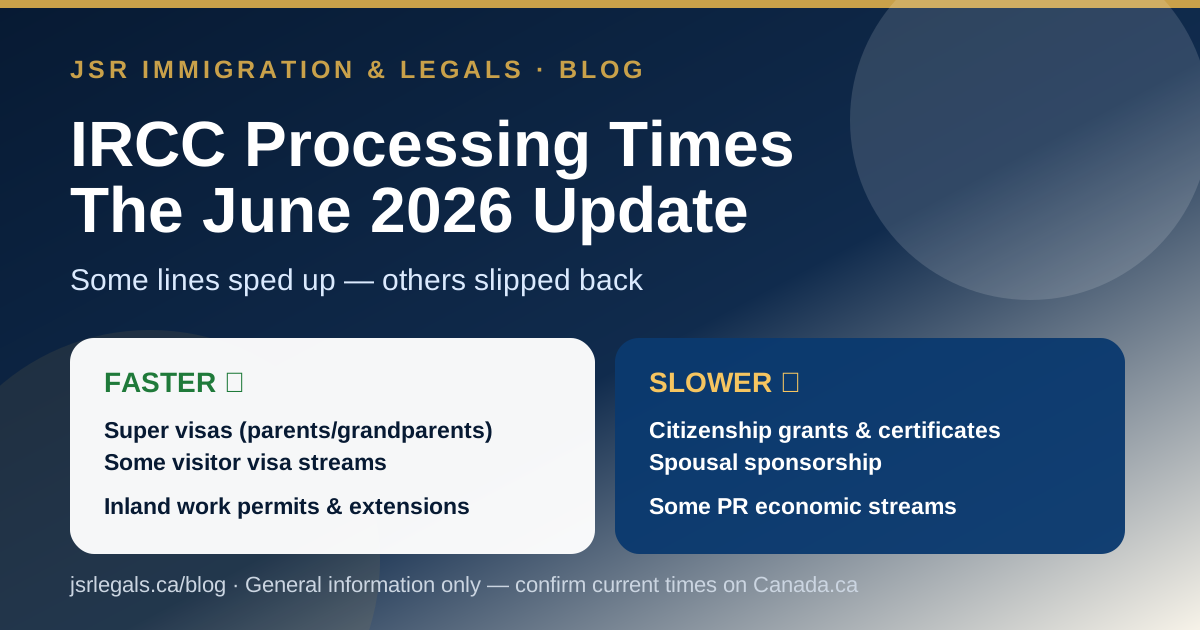
Faster than before:
- Super visas for parents and grandparents posted some of the biggest improvements. Timelines for several high-volume countries dropped sharply compared with the start of the year.
- Some visitor visa streams also came down meaningfully from their January levels.
- Inland work permits and extensions continued a steady downward trend, shaving off a few more weeks.
Slower than before:
- Citizenship grants and citizenship certificates ticked upward, with growing queues behind them.
- Spousal sponsorship (both inland and outland, outside Quebec) added time, reflecting a large permanent-residence inventory.
- Several permanent-residence economic streams edged up by roughly a month as application backlogs grew.
The broader story behind these numbers is that IRCC's permanent-residence inventory has been very large in 2026. When the queue grows, published times tend to rise even when officers are processing files at a steady pace.
How IRCC processing times actually work
A common misunderstanding is that the posted number is a deadline. It is not. IRCC's published time is generally a historical average — roughly how long it recently took to finish most applications of that type. It is a planning estimate, not a promise about your specific file.
A few practical realities sit behind that flow:
- Complete applications move faster. Missing documents, unclear translations, or unsigned forms are among the most common causes of delay.
- The clock can effectively pause. If IRCC asks for more information, biometrics, or a medical exam, the time you take to respond is generally not counted in their favour.
- Country and stream matter. The same application type can show very different times depending on where it is processed and current volumes.
What this means for you
Because the June update moved in both directions, the right move depends on what you have filed.
If you are waiting on a faster category (such as a super visa or an inland work permit extension): the trend is encouraging, but do not book non-refundable travel or quit a job based on an average. Wait for your actual approval and documents in hand.
If you are waiting on a slower category (such as citizenship or spousal sponsorship): build in extra buffer. Keep your status valid in the meantime — for example, by extending a work permit, study permit, or visitor record before it expires so you do not fall out of status while you wait.
If you have not applied yet: submit early and submit complete. A well-prepared, fully documented application is the single biggest factor you actually control. Use the official tool to set realistic expectations, and remember the posted figure is the experience of past applicants, not a guarantee.
Should you contact IRCC about a delay?
If your file has clearly passed the published processing time for your category and country, you can submit a case-specific enquiry through IRCC's web form, or ask about GCMS notes to understand where things stand. These steps will not magically speed up a decision, but they can confirm your file is still active and flag if something is missing.
A quick checklist while you wait
- Keep your contact details and online account current so you do not miss a request.
- Respond to any IRCC request promptly and completely.
- Keep your temporary status valid by extending before it expires, where applicable.
- Recheck the official processing-times tool every few weeks, since the numbers move.
We can help you plan
Processing times shift month to month, and a single update like June's can change how you should sequence travel, work, and family decisions. If you are unsure how the latest numbers affect your situation — or how to keep your status valid while you wait — get in touch with JSR Immigration & Legals. We can help you prepare a complete application and plan around realistic timelines.
This article is general information only and not legal advice. Processing times change frequently; always confirm current figures using IRCC's official tool and consult a qualified professional about your specific situation.

Immigration & paralegal practitioner at JSR Immigration & Legals, helping newcomers and Ontario residents with their cases.
This post is general information about Canadian immigration and Ontario paralegal matters and is not legal advice. Rules change and every case is different — confirm current requirements for your own situation.