PGWP Refusals for Non-Credit Programs: What Alberta Graduates Face in July 2026
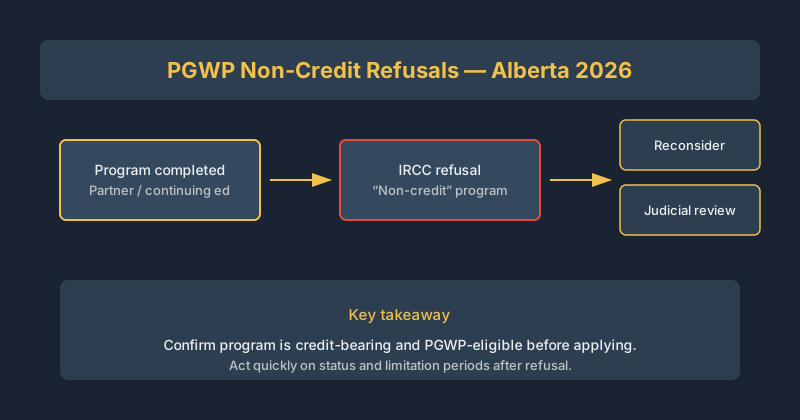
In mid-July 2026, hundreds of international graduates in Alberta — many linked to Portage College programs delivered through partners such as the Canadian Institute of Osteopathic Therapy in Calgary and Campbell College in Edmonton — received Post-Graduation Work Permit (PGWP) refusals. Refusal letters cited the programs as “non-credit” and therefore ineligible.
Protests and sit-ins followed in Calgary, with some graduates beginning hunger strikes. Students say they enrolled in 2023 or 2024 believing the programs would lead to a PGWP, and that earlier graduates from the same pathways received approvals. IRCC’s position is that a June 2026 website update clarified a longstanding rule rather than creating a new one.
This post summarises what is publicly known and the practical next steps for anyone in a similar situation.
What IRCC says about non-credit programs
Current federal guidance requires that a PGWP applicant complete a program of study that leads to a degree, diploma or certificate from a designated learning institution (DLI) that is PGWP-eligible. Non-credit programs (apart from certain flight-training exceptions) do not qualify.
IRCC has stated that the June 2026 update on its PGWP eligibility page clarified existing requirements. Graduates argue the timing creates a retrospective effect on people who started their studies earlier. Eligibility is assessed by IRCC officers against the rules in force when the application is decided, not solely against marketing materials or partner arrangements that existed at enrolment.
Official source: IRCC’s Post-graduation work permit: Who can apply page.
Why the distinction matters
A PGWP is an open work permit available once in a lifetime. Its length is tied to the length of the qualifying program (up to three years). Without it, many graduates lose the ability to work full-time in Canada after studies and face tight timelines to restore status, leave, or pursue another pathway.
Continuing-education or partner-delivered programs sometimes sit outside the credit-bearing diploma or certificate framework that IRCC treats as eligible. When the institution later confirms it will not issue support letters confirming eligibility, the application risk rises sharply.
Practical options after a refusal
- Reconsideration — Possible if you can supply material new evidence that the program meets the credit / diploma criteria. Success is not guaranteed and depends on the facts of the specific file.
- Judicial review — A challenge in Federal Court of the reasonableness of the refusal. Strict timelines apply (generally 15 days if the decision was made in Canada, 60 days if outside). Cost and merit assessment are essential before filing.
- Status management — If the study permit or implied status has ended, options may include restoration of status, a visitor record, or departure. Working without authorisation creates further problems.
- Alternative pathways — Other work permits, provincial nominee streams, or Express Entry categories may still be open depending on occupation, language scores, and provincial criteria. These are case-specific.
Portage College has publicly stated it has no role in IRCC’s decisions and has directed graduates to licensed representatives.
What to do now
- Obtain the full refusal letter and the program documentation (transcripts, completion letter, CIP code if available, any earlier marketing or partner materials).
- Confirm the exact date the decision was made so limitation periods for judicial review are calculated correctly.
- Do not rely on social-media summaries of the policy. Check the current IRCC page and, if needed, request a copy of the officer’s notes through an Access to Information request.
- Speak with a Regulated Canadian Immigration Consultant or immigration lawyer before filing reconsideration or court papers. Generic online templates often miss key facts.
Talk to us
If your PGWP was refused on non-credit or program-eligibility grounds, or you are deciding between reconsideration and judicial review, the team at JSR Immigration & Legals can review the letter and the underlying program evidence with you. Contact us.
This post is general information only and reflects publicly reported developments as of 27 July 2026. It is not legal advice for any individual case. Rules, processing, and institutional arrangements change; confirm current requirements with IRCC or a qualified professional before acting.

Immigration & paralegal practitioner at JSR Immigration & Legals, helping newcomers and Ontario residents with their cases.
This post is general information about Canadian immigration and Ontario paralegal matters and is not legal advice. Rules change and every case is different — confirm current requirements for your own situation.