New to Canada? Your First-Week Banking, Credit and SIN Checklist
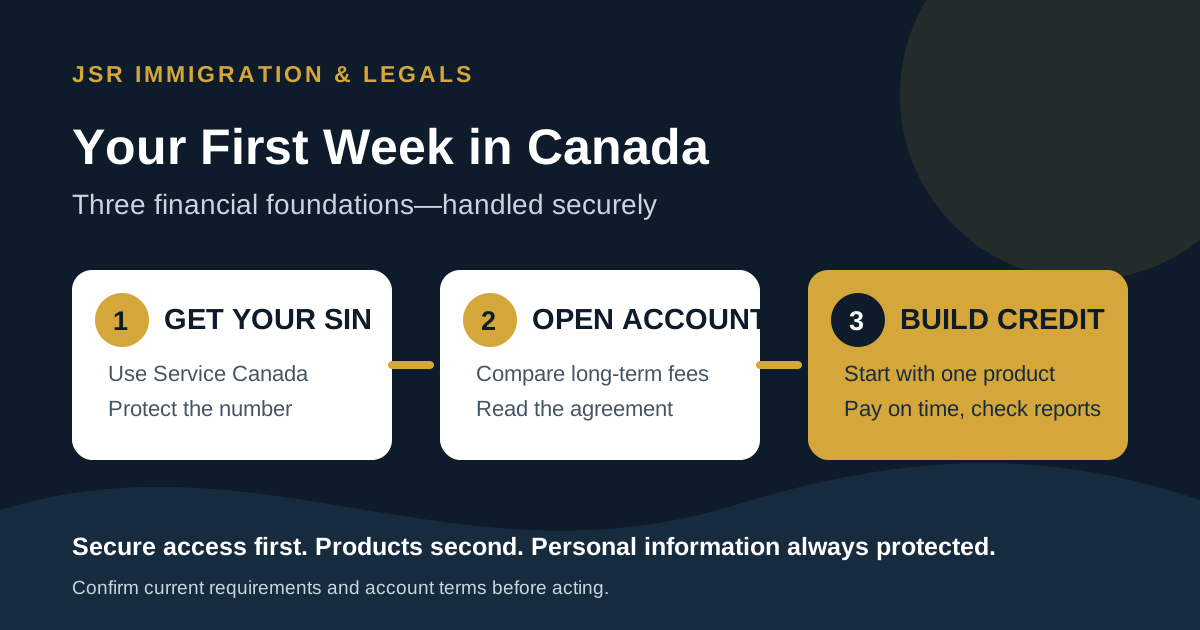
Your first week in Canada comes with a surprising amount of financial paperwork. A bank account helps you receive pay and pay bills. A Social Insurance Number (SIN) lets you work and access government programs. A Canadian credit history can later affect borrowing and even some rental applications.
Handle these tasks in order, compare products carefully and share personal information only when it is genuinely required.
1. Apply for your SIN—and keep it private
A SIN is a confidential nine-digit number used for work, taxes and government programs. Service Canada allows eligible applicants to apply online, by mail or in person. The required documents depend on your status, but generally include a primary document proving legal status in Canada and a secondary identity document. If your names do not match across documents, supporting documents may also be needed.
Start with Service Canada's official SIN application page and document checklist. Avoid websites that charge to submit a SIN application or promise faster processing.
Your employer needs your SIN after hiring you, and government agencies may need it for taxes or benefits. Many other businesses do not. Service Canada's SIN Code of Practice says to confirm that providing it is legally required or necessary and that you understand the risks. Do not use your SIN as everyday identification, carry it around unnecessarily or send it in an insecure message.
2. Open an account that fits how you will use it
You do not need a job or an opening deposit simply to have the right to open a personal bank account at a federally regulated bank. The bank must still verify your identity. The Financial Consumer Agency of Canada's bank-account guide explains the accepted identification combinations and the limited reasons a bank may refuse an account.
Before choosing, compare:
- monthly fees and the number of included transactions;
- charges for e-transfers, cash withdrawals and international transfers;
- whether the introductory newcomer offer later changes to a paid plan;
- access to branches, automated banking machines and service in your preferred language; and
- fraud alerts, account notifications and the bank's complaint process.
Ask about current no-cost or low-cost options and request the written account agreement and fee schedule.
Do not confuse your debit card with a credit card. Debit normally uses money already in your account. Credit is borrowed money that must be repaid under the card agreement.
3. Build credit slowly, not urgently
Canada's credit bureaus create a file when you first apply for or use credit that is reported to them. A limited Canadian history is not automatically bad credit; it means lenders have less local information about how you repay.
One suitable credit product may be enough to begin. Ask your financial institution about eligibility, fees, interest and whether the account reports to both Equifax and TransUnion. A secured card may require a deposit, but it is still credit: read the agreement and confirm how the deposit is returned.
The Financial Consumer Agency of Canada identifies payment history as the most important part of a credit score. Pay at least the required minimum by the due date, and ideally pay the statement balance to avoid interest. Keep balances comfortably below the limit and avoid applying for several products at once. The Agency's credit-building guidance explains how payment history, credit use, account age and repeated applications may affect a score.
4. Check the record being built in your name
Canada has two main credit bureaus, Equifax and TransUnion. You can obtain a free report from each, and checking your own report does not lower your score. The official credit-report guide links to both bureaus.
Review your name, address, accounts, balances and payment history. An account you did not open or an unfamiliar inquiry can be a warning sign of identity theft. Keep copies of correction requests and supporting documents.
Your first-week priority
The goal is not to collect as many financial products as possible. It is to establish secure access to work, banking and credit while understanding every fee and obligation you accept.
If you need help understanding how your immigration documents affect a SIN application or another newcomer step, contact JSR Immigration & Legals. We can help you identify the right official process and avoid preventable mistakes.
This article provides general information, not financial, credit or immigration advice for a specific person. Product terms and government requirements can change, so confirm current details with the official sources and the relevant institution before acting.

Immigration & paralegal practitioner at JSR Immigration & Legals, helping newcomers and Ontario residents with their cases.
This post is general information about Canadian immigration and Ontario paralegal matters and is not legal advice. Rules change and every case is different — confirm current requirements for your own situation.