LTB Co-op Housing Update: What the New Practice Direction Means
What changed
The Landlord and Tenant Board (LTB) released an updated Practice Direction on Applications Involving Non-Profit Housing Co-operatives, effective May 15, 2026. The official Tribunals Ontario update says the revised direction gives a current and detailed explanation of the LTB hearing process for co-op applications, including the Case Management Hearing and Merits Hearing stages: LTB operational update, May 15, 2026.
This is not a rent guideline announcement and it does not turn co-op housing into an ordinary landlord-tenant relationship. It is a process update. But process matters: missed deadlines, unclear submissions, or confusion about which hearing comes next can affect how quickly and fairly a case moves.
Why co-op cases are different
Non-profit housing co-operatives are member-based communities. A co-op member usually has occupancy rights through membership and occupancy agreements rather than a standard residential lease. When certain disputes reach the LTB, the Board is often dealing with whether a co-op can terminate a member's occupancy and membership rights, or whether the process followed by the co-op was legally sufficient.
That makes these files feel different from common tenant applications about repairs, harassment, or illegal rent increases. The record may include board decisions, membership rules, notices, arrears ledgers, internal dispute steps, and communications between the member and the co-op. A clear practice direction helps parties understand what the LTB expects before and during hearings.
What the update highlights
Tribunals Ontario says the update includes four practical changes: removal of old references to Social Justice Tribunals Ontario, information about making submissions through the Tribunals Ontario Portal, current contact information for the Co-op Processing Unit, and a more detailed explanation of the hearing process.
For people involved in a co-op dispute, those points translate into three everyday takeaways:
- Use the current process. Older guides, saved PDFs, or advice from a past case may refer to names, addresses, or procedures that have changed.
- Watch the portal carefully. If the LTB expects submissions through the Tribunals Ontario Portal, parties should check upload steps, confirmation pages, document names, and deadlines.
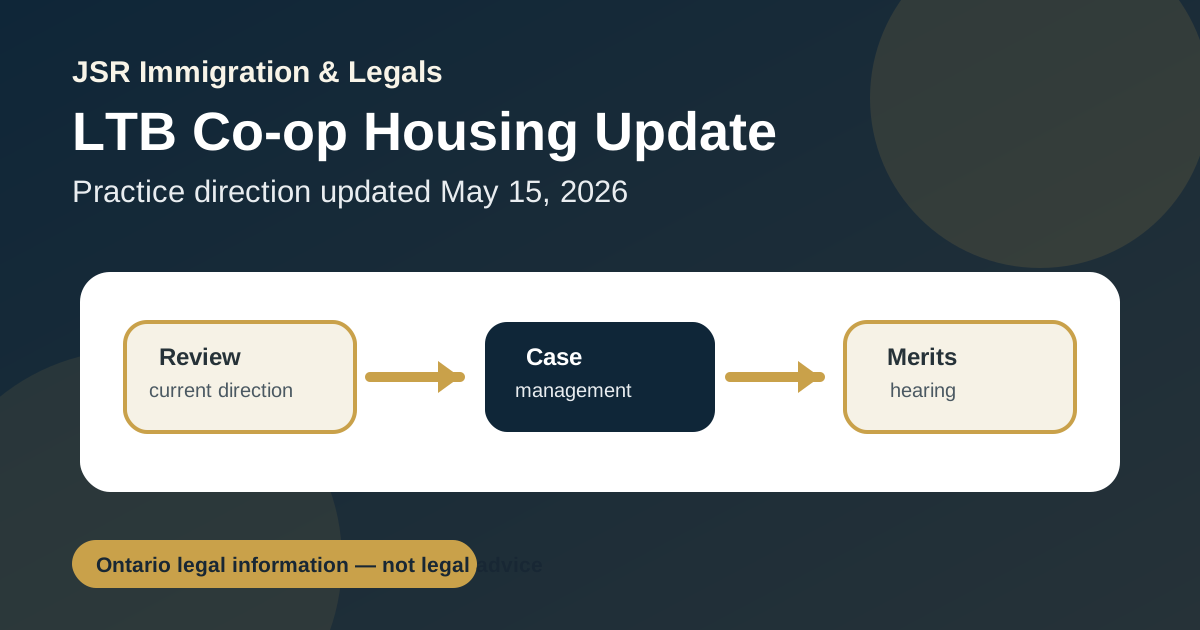
- Prepare for two stages. A Case Management Hearing may focus on narrowing issues, disclosure, settlement, scheduling, or procedural directions. A Merits Hearing is where the decision-maker usually hears the evidence and arguments needed to decide the application.
What members should do
If you are a co-op member who receives LTB papers, do not assume it is just an informal meeting. Read every notice and order carefully. Confirm the date, time, format, and whether anything must be filed before the hearing. Save proof of payments, emails, repair requests, accommodation requests, board letters, and any internal appeal documents.
Members should also separate facts from feelings. It is understandable for a housing dispute to feel personal, but the LTB will need evidence tied to the issues in the application. If the dispute involves disability, family status, language barriers, or another Human Rights Code-related need, accommodation should be raised clearly and as early as possible.
What co-op boards and managers should do
Co-op boards should review the updated direction before filing or responding to an application. Make sure the right documents are available, the correct contact information is used, and portal submissions are organized. If the co-op relies on arrears, rule breaches, or board decisions, the file should show the timeline clearly: what happened, what notice was given, what opportunity the member had to respond, and what decision was made.
Boards should also be careful about consistency. Similar cases should be handled in a similar way unless there is a documented reason for treating them differently. Good records help the LTB understand the case and help the co-op show that it acted fairly.
Bottom line
The May 15, 2026 update is a reminder that co-op housing disputes are procedural as well as personal. Members and boards should not wait until the hearing day to understand the process. Read the current practice direction, organize documents early, and ask for help if the issues are serious or confusing.
If you are dealing with an LTB co-op housing application, JSR Immigration & Legals can help you understand the paperwork, timelines, and hearing preparation steps. This post is general legal information for Ontario readers only and is not legal advice for your specific situation.

Immigration & paralegal practitioner at JSR Immigration & Legals, helping newcomers and Ontario residents with their cases.
This post is general information about Canadian immigration and Ontario paralegal matters and is not legal advice. Rules change and every case is different — confirm current requirements for your own situation.